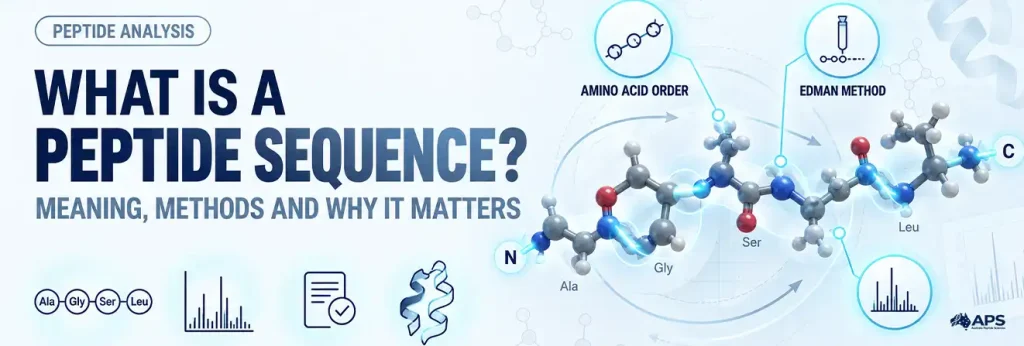
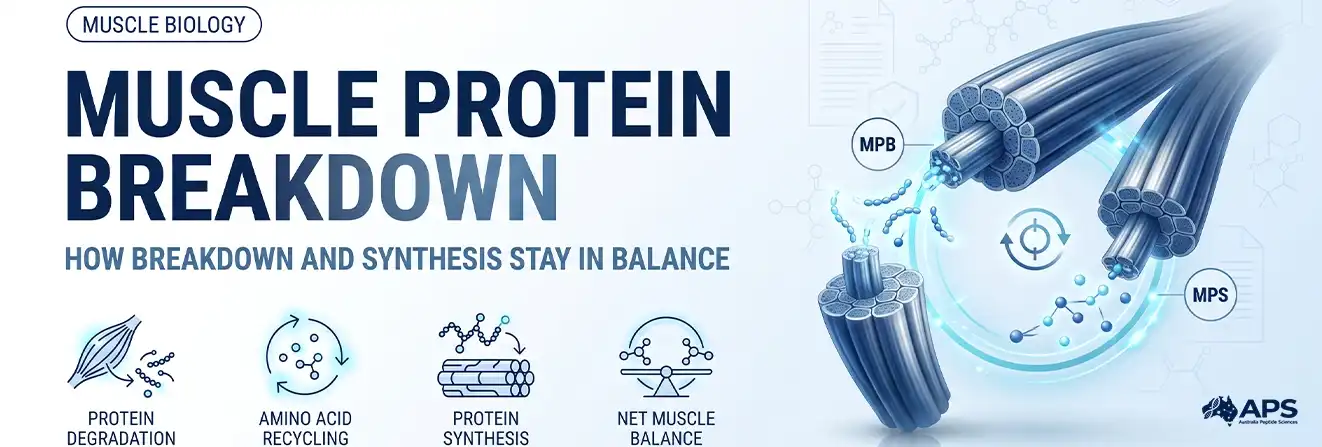
Muscle protein breakdown is the controlled process through which skeletal muscle proteins are dismantled into amino acids for reuse or replacement. It occurs continuously and forms one half of normal muscle protein turnover. The other half is muscle protein synthesis, which incorporates amino acids into new proteins.
Breakdown does not automatically mean muscle loss. What matters is whether synthesis matches or exceeds degradation over time. Exercise, nutrition, fasting, energy availability, inactivity, ageing and illness can shift this relationship. A single workout, meal or fasting period cannot determine long-term changes in muscle mass.
Quick Answer: What Does MPB Mean?
Muscle protein breakdown (MPB) is the degradation of existing proteins within skeletal muscle. This process allows muscle cells to remove damaged components, recycle amino acids, and remodel tissue in response to changing demands. Muscle protein synthesis (MPS) is the parallel process of building new muscle proteins.
MPB occurs alongside synthesis, so researchers assess both processes using this relationship:
Net muscle protein balance = MPS − MPB
- A positive balance means synthesis exceeds degradation.
- A negative balance means degradation exceeds synthesis.
- A neutral balance means the two rates are approximately equal.
These are short-term metabolic states. Whether muscle is gained, maintained, or lost depends on their cumulative pattern over days and weeks.
Explore the APS research range
Why Muscle Protein Degradation Is Necessary for Muscle Renewal
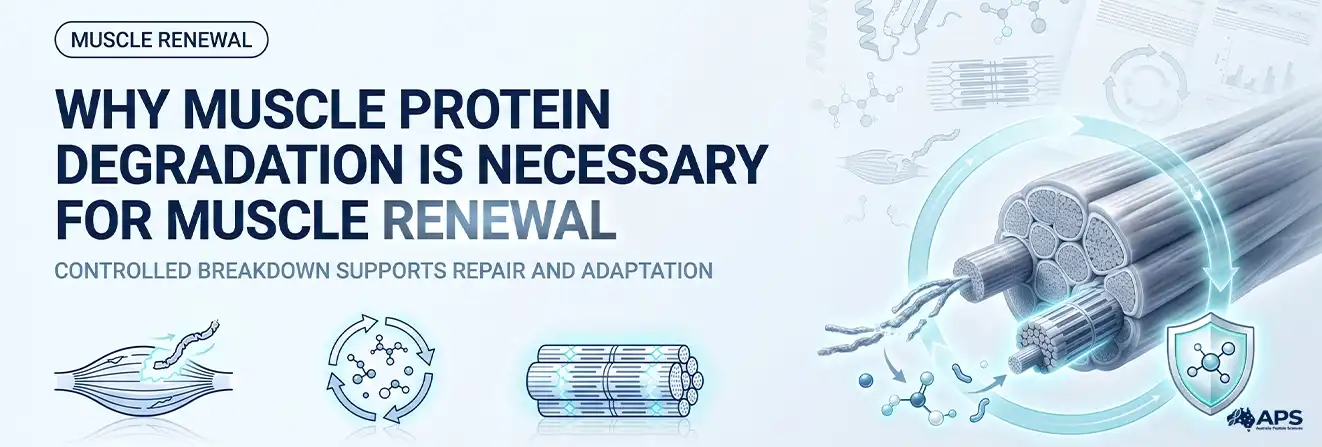
Skeletal muscle is metabolically active tissue. Its contractile machinery, enzymes, and cellular structures require ongoing repair and replacement. Muscle protein degradation supports this process by removing damaged or unnecessary proteins.
Degradation also supports adaptation. When training creates a new demand, muscle remodels the relevant proteins. Released amino acids may be reused within muscle, transported to other tissues, or oxidised when nutrient availability is limited.
Protein breakdown and muscle loss are not equivalent. A temporary increase in proteolysis can support normal remodelling. Sustained muscle loss becomes more likely when degradation repeatedly exceeds synthesis without being offset during later recovery.
Muscle proteins are assembled from amino acids. APS explains how amino acid chain length and structure differ in its guide to peptides and proteins.
How Protein Degradation Works Inside Muscle Cells
Several connected pathways control protein disposal inside muscle cells. These systems interact rather than operating as independent switches, and no single blood marker measures their total activity.
1. The Ubiquitin–Proteasome System
Cells attach ubiquitin to proteins selected for removal. The proteasome recognises these tags, unfolds the targeted proteins, and cuts them into smaller peptides. E3 ubiquitin ligases help determine which proteins are selected.
MuRF1 and MAFbx, also called atrogin-1, are E3 ligases commonly examined in atrophy research. Increased expression may indicate stronger proteolytic signalling, but it does not directly quantify how much muscle protein was degraded.
2. The Autophagy–Lysosome Pathway
Autophagy encloses selected cellular material and directs it to lysosomes for degradation. This pathway can process larger protein assemblies and damaged organelles that the proteasome cannot manage efficiently. Properly regulated autophagy supports cellular maintenance and quality control.
3. Calpains, Caspases and Proteolytic Signalling
Calpains are calcium-activated proteases that help disassemble structural proteins for further processing. Caspases are more closely associated with cellular stress and programmed cell death pathways, although they may also contribute to wider proteolytic responses.
These pathways respond to insulin and Akt signalling, FOXO transcription factors, AMPK activity, inflammation, calcium balance, and mechanical loading. Because molecular markers indicate pathway activity rather than the amount of protein degraded, researchers need direct kinetic measurements to confirm changes in the overall degradation rate.
Researchers investigating related ghrelin-receptor and growth-hormone signalling can also review Ipamorelin 10mg Peptide. APS research products are intended for laboratory research purposes only and are not for human or veterinary use.
Muscle Protein Breakdown and Synthesis: How the Measures Differ
Muscle protein breakdown and synthesis occur simultaneously. Feeding, exercise, fasting, and recovery change their relative rates, but muscle does not switch completely between building and breakdown modes.
Higher turnover may reflect normal repair and remodelling. It does not independently confirm whether muscle mass will increase or decrease.
| Measure | What it describes | Main role |
| Muscle protein synthesis | Formation of new proteins | Repair and protein accretion |
| Muscle protein breakdown | Degradation of existing proteins | Renewal and amino acid recycling |
| Muscle protein turnover | Combined synthesis and degradation | Muscle maintenance and adaptation |
| Net muscle protein balance | Synthesis minus degradation | Short-term direction of protein gain or loss |
Watch this short scientific overview to see how inactivity affects muscle protein synthesis, breakdown, and long-term muscle maintenance.
https://www.youtube.com/watch?v=uGc7nY2lgEM
How Net Muscle Protein Balance Changes
Net muscle protein balance reflects the difference between MPS and MPB during a defined measurement period. Results therefore describe that specific period rather than independently predicting long-term changes in muscle mass.
Results also depend on whether researchers measured a specific muscle, a particular protein fraction, or whole-body protein turnover. These measurements answer different questions and should not be interpreted as equivalent.
Causes of Muscle Protein Breakdown: Factors That Shift Turnover
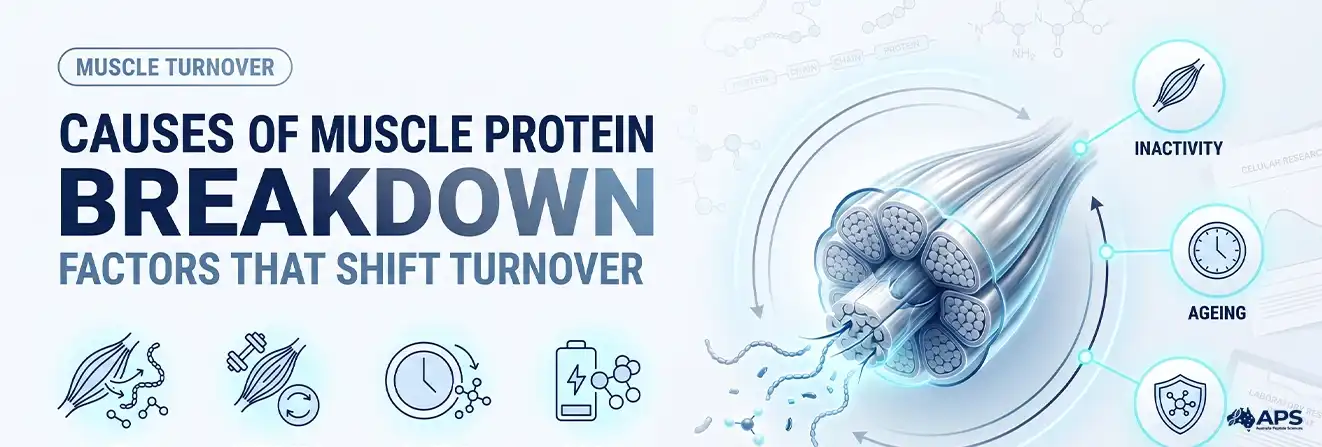
The processes and conditions below range from routine protein renewal to severe illness. Their effects differ in magnitude, duration and biological purpose.
- Routine renewal: Old or damaged proteins are removed so their amino acids can be recycled.
- Exercise and recovery: Mechanical and metabolic stress create a need for remodelling. The response varies with exercise type, training status, and nutrition.
- Fasting: Without incoming dietary amino acids, net balance generally remains negative until feeding resumes.
- Energy deficiency: A large or prolonged calorie deficit may reduce anabolic support and increase the risk of lean-tissue loss.
- Inactivity: Bed rest, limb immobilisation and reduced loading weaken the mechanical stimulus that helps maintain muscle tissue.
- Ageing: Anabolic resistance may reduce the synthetic response to protein intake or exercise.
- Illness and inflammation: Injury, severe illness, inflammation and glucocorticoid activity may activate proteolytic pathways and suppress synthesis.
Ordinary psychological stress or a single elevated cortisol measurement does not prove substantial muscle loss. The mechanisms involved in clinical wasting may differ considerably from the controlled turnover observed after training.
How Exercise Changes Muscle Protein Turnover During Training and Recovery
1. What Happens During the Training Session?
Direct measurement of protein degradation during exercise is technically difficult in human studies. Muscle protein synthesis may decline during an active bout as blood flow, substrate use and cellular priorities change. The degradation response varies with exercise mode, intensity, duration, training history and nutritional state.
Exercise does not simply destroy muscle tissue. It changes protein turnover and creates a stimulus for remodelling, while the overall effect depends on the subsequent nutrition and recovery period.
2. Resistance Training and Muscle Protein Breakdown After Exercise
MPB after exercise may increase during fasted recovery. Without an external supply of amino acids, net balance can remain negative even when synthesis rises above its resting rate. After protein intake, synthesis generally becomes the main driver of improved net balance in healthy adults.
A human research review examining protein turnover during and after exercise explains why exercise mode, nutritional status and measurement timing affect the results. Increased post-exercise turnover can support repair and remodelling and should not automatically be interpreted as tissue loss.
3. How Resistance Exercise Supports Longer-Term Adaptation
Resistance training sensitises muscle tissue to amino acids. This response may persist beyond the immediate post-workout period, particularly after unfamiliar or demanding training. As training status improves, synthesis becomes more directed towards the protein fractions required for specific adaptations. Researchers examining related growth-hormone signalling and muscle-adaptation pathways can browse the APS GHRP peptide, supplied strictly for laboratory research.
The idea of a short, universal anabolic window is too restrictive. Consuming protein near a training session can be practical, but total daily intake, meal distribution, energy availability, and training consistency remain important.
Fasting and Muscle Protein Breakdown: Duration and Context Matter
The effect of fasting on muscle protein turnover depends on its duration and the wider nutritional context. Overnight fasting usually produces a negative net balance because no dietary amino acids are entering circulation, but it does not cause immediate or visible muscle wasting.
Protein degradation becomes more relevant when fasting is prolonged or repeatedly combined with inadequate energy or protein intake. There is no universal hour when the body suddenly begins “burning muscle”; the outcome also depends on physical activity, resistance exercise, health, and starting body composition.
How an Energy Deficit Affects Muscle Protein Turnover
The relationship between energy balance and muscle protein turnover is not determined simply by consuming fewer kilojoules. The size and duration of the deficit, dietary protein, resistance training, starting body composition, and recovery all influence the outcome.
Energy restriction may reduce synthesis as well as alter degradation. When energy availability is low, some dietary amino acids may also be oxidised for energy rather than directed entirely towards tissue repair and remodelling.
APS also lists Tesamorelin Peptide for controlled laboratory research into growth hormone releasing hormone signalling and related metabolic pathways.
Resistance training provides a mechanical stimulus for retaining functional tissue, while dietary protein supplies the amino acids required for renewal. Neither guarantees complete protection during a severe or prolonged deficit. Changes in turnover form one part of the broader process considered when examining whether people can lose fat and gain muscle concurrently.
Protein Intake and Muscle Protein Breakdown: How Diet Affects Turnover
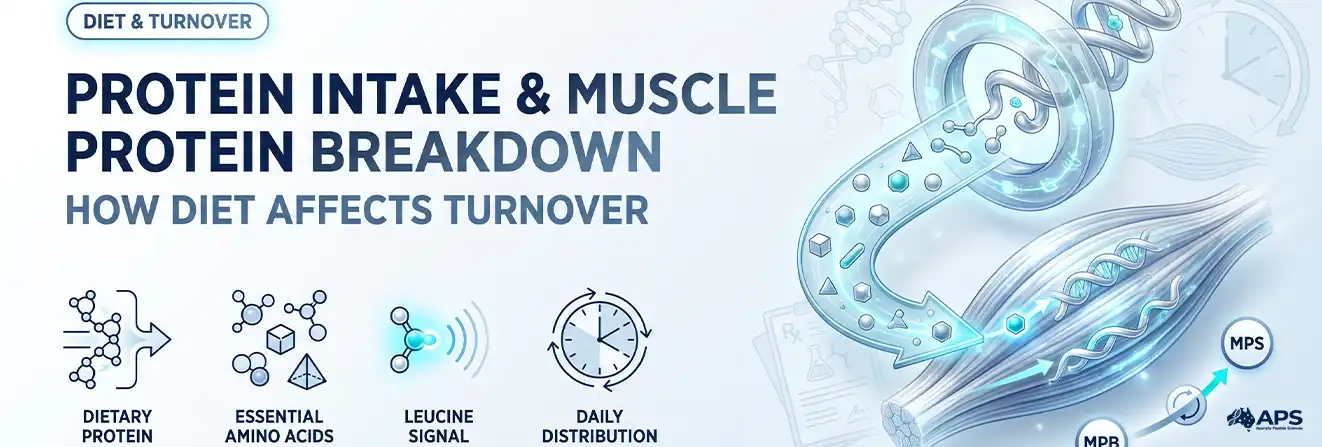
Dietary protein provides the essential amino acids required to build new proteins. Leucine helps signal muscle protein synthesis, but all essential amino acids must be available to assemble complete proteins.
Essential amino acids primarily increase synthesis rather than completely stopping degradation. The response varies with protein quality, digestibility, age, prior exercise, and overall energy availability, while total daily intake and meal distribution generally matter more than a narrow post-exercise window.
Protein needs vary by body size, activity and health. A meta-analysis of resistance-training studies estimated a breakpoint at approximately 1.62 g/kg/day for additional fat-free-mass gains, although the estimate had a wide confidence interval and should not be treated as a universal target.
How to Reduce Muscle Protein Breakdown While Supporting Normal Renewal
The practical objective is to avoid a sustained negative balance while preserving the normal degradation required for tissue maintenance and adaptation.
Evidence-informed priorities include:
- Avoid unnecessarily severe or prolonged energy restriction.
- Consume sufficient high-quality protein and distribute intake across the day.
- Use progressive resistance training suited to individual ability, experience, and health.
- Refuel after long or demanding exercise instead of repeatedly training while under-fuelled.
- Allow adequate sleep and recovery between challenging training sessions.
- Minimise prolonged inactivity when movement is medically appropriate.
- Seek clinical assessment for unexplained weakness, rapid weight loss or ongoing loss of muscle tissue.
These strategies are intended to support a favourable balance rather than eliminate proteolysis. Normal degradation removes damaged proteins, recycles amino acids and enables muscle remodelling. Indiscriminate suppression could interfere with cellular quality control.
APS discusses related biological pathways in its guide to muscle growth research. Its catalogue also includes CJC-1295 DAC Peptide for controlled laboratory studies of sustained growth-hormone signalling. Research products are not approved treatments or personal strategies for preserving human muscle.
How Researchers Measure Muscle Protein Turnover in Human Studies
No single method captures every component of turnover. Stable isotope-labelled amino acids can trace their incorporation into newly formed muscle proteins and, with appropriate kinetic models, estimate amino acid appearance or disappearance. Muscle biopsies provide tissue samples, while arteriovenous techniques compare amino acids entering and leaving a limb.
| Method | What it estimates | Main limitation |
| Stable isotope incorporation | Fractional synthesis rate over a defined period | Usually represents a limited measurement window |
| Arteriovenous balance | Amino acid uptake and release across a limb | Depends on accurate blood-flow measurements and assumptions about tissue contribution |
| Muscle biopsy markers | Proteolytic signalling, gene expression or protein abundance | A molecular marker does not directly measure the degradation rate |
| Deuterium oxide tracing | Integrated protein synthesis across days or weeks | Provides less detail about short-term changes |
| Whole-body kinetics | Protein turnover throughout the body | Does not isolate skeletal muscle from whole-body turnover |
Mixed-muscle, myofibrillar, sarcoplasmic and mitochondrial protein fractions may respond differently to the same intervention. Direct measurements of degradation are technically difficult, so changes in gene expression, urinary metabolites, or whole-body turnover should not be treated as interchangeable evidence of skeletal-muscle loss.
Discover Australia Peptide Sciences
Conclusion: Protein Degradation Must Be Interpreted in Context
Muscle protein breakdown supports normal skeletal-muscle renewal and remodelling. Its significance depends on the concurrent rate of synthesis and the net balance accumulated over time. Short periods of negative balance are normal, whereas persistent negative balance is more relevant to measurable muscle loss.
Research findings should also be interpreted according to the measurement method, because direct muscle kinetics, molecular markers and whole-body turnover do not measure the same process.
Frequently Asked Questions
What triggers muscle protein breakdown?
Normal protein renewal, fasting, energy restriction, exercise recovery, inactivity, ageing, injury, inflammation, and severe illness can increase protein degradation.
How do you fix muscle breakdown?
Normal breakdown does not require fixing, but adequate protein and energy intake, resistance training and recovery can help prevent a sustained negative balance.
What kills muscle gains the most?
Inconsistent resistance training, inadequate energy or protein intake, prolonged inactivity, and poor recovery can all limit muscle growth.
How long does it take for protein to start repairing muscles?
Amino acids become available and can stimulate muscle protein synthesis within hours of eating, although timing varies with the meal, protein source and prior exercise.
Can you recover from muscle breakdown?
Yes, normal exercise-related degradation is balanced through protein synthesis, nutrition and recovery, although disease-related wasting may require clinical treatment.
What depletes the body of protein?
Inadequate dietary intake, prolonged energy restriction, fasting, severe illness, injury, inflammation and malabsorption can reduce available body protein.
What is the most common cause of muscle wasting?
The cause depends on the individual, but physical inactivity and reduced muscle loading are common contributors, particularly during ageing, illness or immobilisation.
What foods help rebuild muscle mass?
Protein-rich foods such as eggs, dairy, fish, lean meat, soy and legumes provide amino acids, but resistance training and adequate total energy are also necessary.
What eats muscle mass?
Persistent negative protein balance caused by inactivity, undernutrition, prolonged energy restriction, ageing or illness can gradually reduce muscle mass.
What stimulates the most muscle growth?
Progressive resistance training combined with adequate protein, sufficient energy and consistent recovery provides the strongest foundation for muscle growth.
Source:
Human Muscle Protein Synthesis and Breakdown During and After Exercise
Protein Supplementation and Resistance Training: Systematic Review and Meta-Analysis