
What is Reta peptide? Reta peptide is an informal name for retatrutide, an investigational synthetic peptide designed to activate three metabolic hormone receptors: GIP, GLP-1 and glucagon. It is being studied for obesity, type 2 diabetes, and several related metabolic conditions, but it is not currently approved for general therapeutic use.
This complete Reta peptide explained guide examines what retatrutide is, what it is called, how it works, what current research shows, possible side effects, its Australian regulatory status and the questions that remain unanswered.
Important: This article provides general scientific and regulatory information. It does not provide personal medical advice, dosing instructions or directions for self-administration.
Reta Peptide Explained: Quick Answer
Retatrutide is a single synthetic peptide that activates receptors for:
- Glucose-dependent insulinotropic polypeptide, or GIP
- Glucagon-like peptide-1, or GLP-1
- Glucagon
Because it acts on all three receptors, retatrutide is commonly described as a triple hormone receptor agonist or triple agonist.
Retatrutide is also known by its development code, LY3437943. “Reta peptide” and “Reta” are informal shortened names and do not refer to a separate peptide.
In clinical trials, retatrutide has been investigated as a once-weekly subcutaneous injection. It is currently being studied for obesity, type 2 diabetes, knee osteoarthritis pain, obstructive sleep apnoea, cardiovascular and kidney outcomes, chronic lower back pain and metabolic liver disease. For a closer look at how its triple-receptor mechanism works and what clinical dosage schedules have been studied, see our Retatrutide Peptide Guide. It remains investigational and has not been approved by the Therapeutic Goods Administration, FDA or another international regulator for general public use.
| Reta peptide fact | Current information |
| Scientific name | Retatrutide |
| Development code | LY3437943 |
| Informal names | Reta, Reta peptide |
| Compound type | Synthetic peptide |
| Mechanism | GIP, GLP-1 and glucagon receptor agonist |
| Research administration | Once-weekly subcutaneous injection |
| Main research areas | Obesity, type 2 diabetes and metabolic complications |
| Australian approval | Not approved by the TGA |
| General availability | Not approved for public therapeutic use |
| Current development stage | Several Phase 3 trials completed; further studies continue |
What Is Reta Peptide?
Reta peptide is a shortened term commonly used to describe retatrutide, a laboratory-designed peptide being developed as a potential treatment for obesity, type 2 diabetes and related metabolic conditions.
Retatrutide is not a combination of three separate drugs. It is one engineered molecule capable of activating three different hormone receptors.
Those receptors are:
- The GIP receptor
- The GLP-1 receptor
- The glucagon receptor
This is why retatrutide is classified as a GIP–GLP-1–glucagon triple receptor agonist.
An agonist is a substance that binds to and activates a receptor. Once activated, the receptor starts biological signalling pathways that can affect processes such as appetite, insulin secretion, glucose regulation, digestion and energy use.
Retatrutide is being developed by Eli Lilly and Company. The manufacturer describes it as an investigational, once-weekly triple hormone receptor agonist. It has completed several Phase 3 trials, although additional studies and the regulatory process remain ongoing.
Is Reta Peptide a Medicine?
Retatrutide is being investigated as a potential medicine, but it is not currently an approved medicine available for routine prescribing.
This distinction matters.
A compound can show promising clinical-trial results without yet having:
- Regulatory approval
- Final approved indications
- Official prescribing information
- Approved commercial manufacturing
- A complete long-term safety profile
- An approved brand name
- An established public price
Clinical trials are conducted to determine whether the benefits of a potential medicine outweigh its risks for a defined patient population. Regulators then review the full evidence, including clinical effectiveness, adverse events, manufacturing quality, product consistency and proposed labelling.
Therefore, describing retatrutide as an investigational compound is more accurate than describing it as an approved weight-loss medicine.
Why Has Reta Peptide Become Popular?
Interest in Reta peptide has grown for several reasons.
First, GLP-1-based therapies have changed public and scientific discussions surrounding obesity and metabolic health. Medicines containing semaglutide and tirzepatide have increased awareness of hormone-based approaches to appetite and weight regulation.
Second, retatrutide has a different mechanism. Semaglutide activates one main receptor, while tirzepatide activates two. Retatrutide activates three.
Third, substantial average body-weight changes have been reported in retatrutide trials. In the published Phase 2 obesity study, the highest investigated maintenance-dose group had an average body-weight reduction of 24.2% after 48 weeks, compared with 2.1% in the placebo group.
More recently, the manufacturer reported that participants receiving 12 mg in the Phase 3 TRIUMPH-1 study lost an average of 28.3% of their starting body weight after 80 weeks under the study’s efficacy analysis.
These findings explain the growing scientific interest in reta Australia as a peptide under investigation, but they do not mean that retatrutide is appropriate, safe, or effective for every individual.
Trial participants were selected according to specific inclusion and exclusion criteria, received controlled study material, followed monitored schedules and were assessed by research teams.
What Is Reta Peptide Called?
People searching “what is Reta peptide called” will encounter several names. Most refer to the same investigational molecule.
Retatrutide
Retatrutide is the compound name used in scientific publications, clinical-trial registrations and official information from the developer.
It is the most accurate general term to use when discussing the compound.
LY3437943
LY3437943 is the development code assigned to retatrutide.
It may appear in several formats:
- LY3437943
- LY-3437943
- LY 3437943
These are formatting variations rather than separate compounds.
Development codes are frequently used while a pharmaceutical compound is being investigated. They help researchers identify a molecule before it receives any future approved commercial name.
Reta
“Reta” is an informal abbreviation of retatrutide.
It is frequently used in:
- Online discussions
- Social media posts
- Forums
- Search queries
- Unofficial product listings
“Reta” is not the name of a separate peptide.
Reta Peptide
“Reta peptide” is another informal search term. It combines the abbreviation “Reta” with the type of molecule being discussed.
The phrase is useful for matching common search behaviour, but scientific sections should also use the complete term retatrutide.
Is Retatrutide Called GLP-3?
Retatrutide is occasionally called “GLP-3” in media discussions and social posts. This term is scientifically inaccurate.
Retatrutide does not activate a receptor called GLP-3. It activates three existing receptor systems: GIP, GLP-1 and glucagon.
The more accurate descriptions are:
- Triple receptor agonist
- Triple hormone receptor agonist
- GIP–GLP-1–glucagon receptor agonist
The manufacturer has also clarified that “GLP-3” is an informal and inaccurate label rather than an established scientific classification.
| Name | What it means |
| Retatrutide | Scientific compound name |
| LY3437943 | Pharmaceutical development code |
| Reta | Informal abbreviation |
| Reta peptide | Informal search and discussion term |
| Triple agonist | Mechanism-based description |
| GLP-3 | Inaccurate media nickname |
Why Is Retatrutide Considered a Peptide?
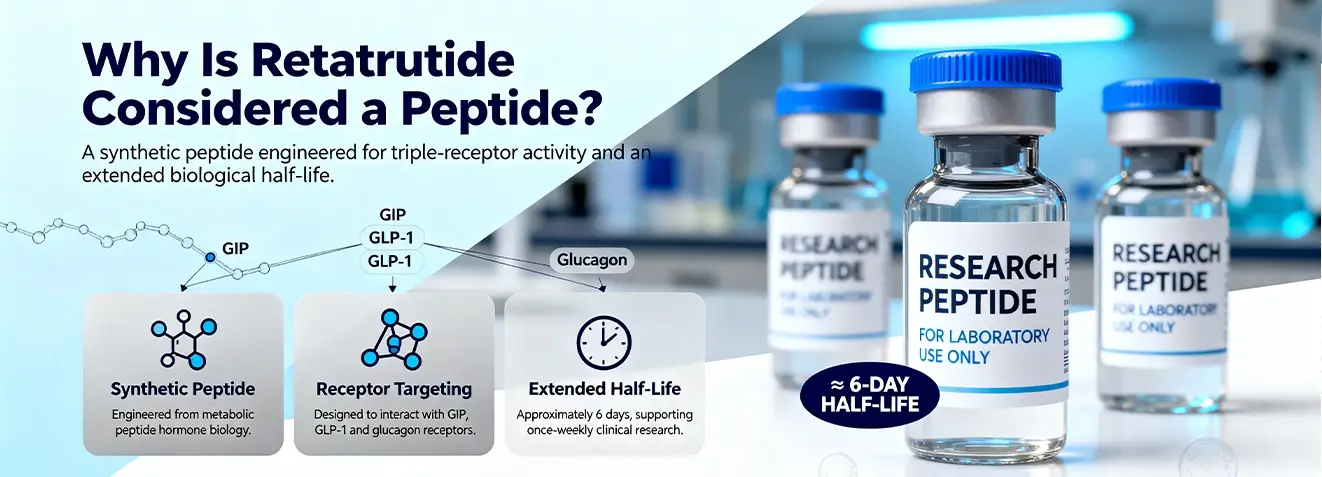
Retatrutide is a synthetic peptide based on the structure and activity of metabolic peptide hormones.
It has been engineered to interact with the receptors normally activated by GIP, GLP-1 and glucagon. Its structure also supports an extended duration of action compared with the natural hormones, which are generally broken down more quickly.
Scientific research reports a retatrutide half-life of approximately six days, supporting the once-weekly schedules used in clinical trials.
How Does Reta Peptide Work?
Reta peptide works by activating three hormone receptors involved in appetite, digestion, insulin response, glucose regulation and energy metabolism.
These mechanisms overlap, but each receptor contributes a different part of the overall biological response.
The Meaning of Triple-Receptor Agonist
Receptors are proteins located on or within cells. They receive chemical signals and trigger cellular responses.
An agonist binds to a receptor and activates it.
Retatrutide is called a triple-receptor agonist because it activates:
- GIP receptors
- GLP-1 receptors
- Glucagon receptors
The intended concept is that the combined signalling may produce metabolic effects that are broader than those produced by activating only one receptor.
However, the three components do not simply provide identical effects. Each hormone system has distinct and sometimes apparently opposing actions. The balance between them is an important part of retatrutide’s design.
How GLP-1 Receptor Activity Works
GLP-1 stands for glucagon-like peptide-1.
It is an incretin hormone released primarily from the intestine in response to food intake. Incretin hormones help coordinate the body’s response to a meal.
GLP-1 receptor activation can affect:
- Glucose-dependent insulin secretion
- Glucagon secretion
- Gastric emptying
- Feelings of fullness
- Appetite signalling
- Food intake
“Glucose-dependent” means the insulin-related effect is influenced by the presence of elevated glucose. This differs from mechanisms that stimulate insulin independently of glucose concentration.
GLP-1 activity can also slow the movement of food through the stomach, particularly during earlier stages of treatment. Slower gastric emptying may contribute to prolonged fullness, but it can also contribute to gastrointestinal side effects.
The appetite effects of GLP-1 signalling involve communication between the digestive system and areas of the brain involved in hunger, satiety and reward.
How GIP Receptor Activity Works
GIP stands for glucose-dependent insulinotropic polypeptide. It was previously called gastric inhibitory polypeptide.
Like GLP-1, GIP is an incretin hormone released after eating.
GIP receptor activation can influence:
- Insulin secretion
- Post-meal glucose handling
- Adipose-tissue signalling
- Nutrient processing
- Appetite-related pathways
GIP biology is complex. Its effects can differ according to metabolic state, receptor activity and the presence of other hormone signals.
In retatrutide, GIP receptor activity is designed to work alongside GLP-1 and glucagon receptor activation rather than operating alone.
Research examining retatrutide’s molecular activity has found that it is particularly potent at the human GIP receptor, while also activating GLP-1 and glucagon receptors.
How Glucagon Receptor Activity Works
Glucagon is widely recognised as a hormone that can increase blood glucose by signalling the liver to release stored glucose and produce new glucose.
At first, including glucagon receptor activation in a compound being investigated for type 2 diabetes or obesity may appear contradictory.
However, glucagon has other metabolic effects. Its receptor activity may influence:
- Energy expenditure
- Fat oxidation
- Substrate use
- Liver metabolism
- Food intake
- Amino-acid metabolism
The GLP-1 and GIP components of retatrutide support insulin-related and glucose-regulating effects, while the glucagon component may add effects involving energy expenditure and fuel use.
This glucagon pathway is also the basis of dual agonists such as Mazdutide peptide, which combine it with GLP-1 activity without the GIP component.
The goal is not simply to maximise one hormone signal. It is to produce a carefully designed balance among all three receptor pathways.
How the Three Receptors May Work Together
| Receptor | Main biological areas | Potential research relevance |
| GLP-1 | Appetite, satiety, insulin secretion and gastric emptying | May reduce food intake and support glucose regulation |
| GIP | Incretin response, insulin secretion and metabolic signalling | May complement GLP-1-related metabolic effects |
| Glucagon | Liver metabolism, fat oxidation and energy expenditure | May add effects on energy use and substrate metabolism |
The combined effects may include:
- Reduced appetite
- Lower energy intake
- Changes in gastric emptying
- Improved glucose-dependent insulin response
- Changes in fat use
- Increased energy expenditure
- Reduced body weight
- Changes in cardiometabolic markers
These are mechanisms and outcomes under research. They should not be interpreted as guaranteed effects for an individual.
Is Retatrutide the First Triple Agonist?
Retatrutide is commonly described as an investigational first-in-class GIP, GLP-1 and glucagon triple hormone receptor agonist.
Other obesity peptides are also being researched, but retatrutide is among the most clinically advanced and widely studied examples of this specific three-receptor approach.
If it receives regulatory approval, its final indication, patient population, product information and clinical position will be determined through regulatory review.
What Is Reta Peptide Being Studied For?
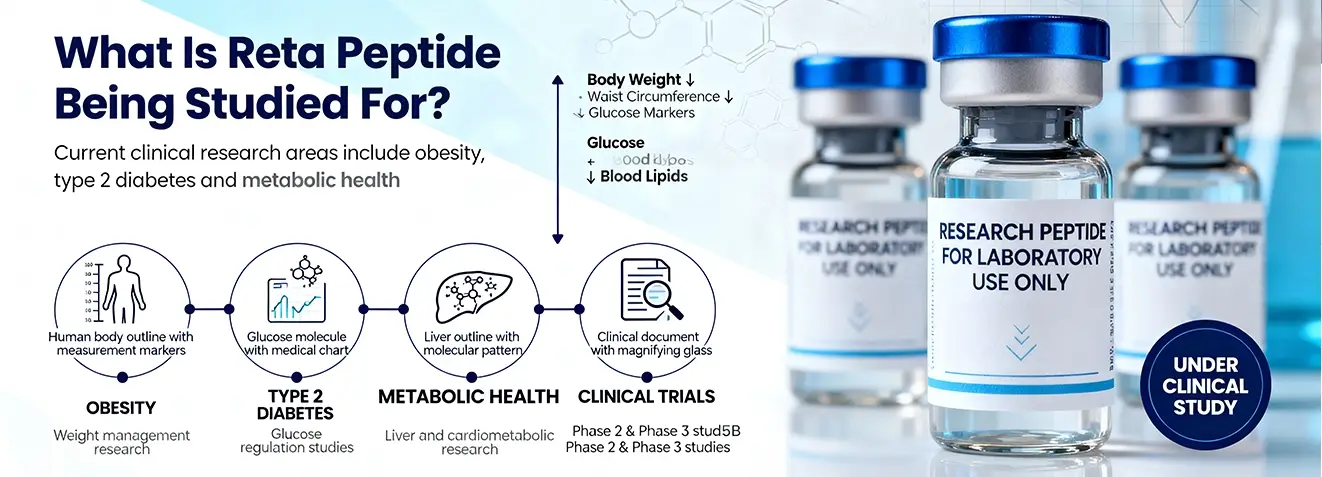
The largest retatrutide research programmes focus on obesity and type 2 diabetes. Researchers are also examining conditions that are frequently associated with excess weight and metabolic dysfunction.
Retatrutide is not currently approved to treat these conditions. The correct wording is that it is being investigated or evaluated for them.
Obesity and Weight Management
Obesity is the most prominent area of retatrutide research.
Trials have measured outcomes such as:
- Percentage change in body weight
- Proportion of participants reaching defined weight-loss thresholds
- Waist circumference
- Blood pressure
- Blood lipids
- Glucose markers
- Treatment discontinuation
- Adverse events
Both Phase 2 and Phase 3 trials have reported dose-related changes in body weight.
However, body weight is only one outcome. Researchers must also assess whether weight changes are accompanied by improvements in health, whether the effects can be maintained and what happens after treatment stops.
Type 2 Diabetes
Retatrutide is also being studied in people with type 2 diabetes.
Relevant research outcomes include:
- Glycated haemoglobin, or HbA1c
- Fasting glucose
- Body weight
- Waist circumference
- Blood pressure
- Lipid measurements
- Hypoglycaemia
- Treatment tolerability
In the Phase 3 TRANSCEND-T2D-1 trial, the manufacturer reported average HbA1c reductions of approximately 1.7% to 2.0% across investigated doses at 40 weeks. Participants receiving the 12 mg dose lost an average of 16.8% of their starting body weight under the efficacy analysis.
These results relate to a specific trial population and should not be interpreted as personal predictions.
Knee Osteoarthritis Pain
Excess body weight can increase the mechanical load placed on knee joints and may contribute to symptoms and functional limitations in people with knee osteoarthritis.
Retatrutide has been studied in participants with obesity or overweight and knee osteoarthritis.
The research evaluates whether changes in weight occur alongside changes in:
- Knee pain
- Physical function
- Stiffness
- Mobility
- Quality of life
Reported Phase 3 results found changes in both body weight and osteoarthritis pain scores. Nevertheless, retatrutide remains investigational, and these findings require full regulatory assessment.
Obstructive Sleep Apnoea
Obstructive sleep apnoea occurs when the upper airway repeatedly narrows or closes during sleep.
Obesity is an important risk factor for many people with the condition, although it is not the only cause.
Retatrutide trials have included participants with obesity and moderate-to-severe obstructive sleep apnoea. Researchers have measured changes in the apnoea–hypopnoea index, which records the number of breathing interruptions or reductions per hour of sleep.
The manufacturer reported reductions in sleep-apnoea severity in a Phase 3 substudy, but regulatory review is still required before any therapeutic indication can be established.
Cardiovascular Outcomes
Changes in body weight, blood pressure, blood lipids and glucose do not automatically prove that a compound reduces heart attacks, strokes or cardiovascular death.
For that reason, outcome trials are designed to measure actual cardiovascular events over longer periods.
A Phase 3 retatrutide study is evaluating cardiovascular and kidney outcomes in adults with excess weight and established atherosclerotic cardiovascular disease, chronic kidney disease or both. The trial is expected to run for approximately five years.
Kidney Outcomes
Retatrutide is also being studied in populations with chronic kidney disease or renal impairment.
Researchers are interested in whether metabolic changes translate into:
- Slower kidney-function decline
- Changes in albuminuria
- Fewer serious kidney events
- Improved cardiovascular outcomes
These possible benefits cannot be assumed from weight loss alone. Long-term outcome data are required.
Metabolic Liver Disease
Retatrutide has been investigated for changes in liver fat.
A Phase 2 substudy used magnetic resonance imaging to measure liver-fat content. Higher investigated doses were associated with substantial reductions in measured liver fat among trial participants.
Reducing liver fat is an important research finding, but it is not identical to proving that a compound prevents liver failure, cirrhosis or other long-term complications.
Further trials are examining retatrutide in metabolic dysfunction-associated steatotic liver disease.
Chronic Lower Back Pain
A clinical trial is also evaluating retatrutide in participants with obesity or overweight and chronic lower back pain.
The study is investigating whether retatrutide affects pain and related outcomes in addition to body weight. This remains an experimental research area rather than an established use.
What Does Current Retatrutide Research Show?

Retatrutide research has progressed through early safety studies, Phase 2 studies and several completed Phase 3 trials.
Each stage answers different questions.
| Research phase | Main purpose |
| Preclinical | Examines biological mechanisms in laboratory and animal models |
| Phase 1 | Evaluates early safety, tolerability and pharmacokinetics |
| Phase 2 | Explores dose response, efficacy and short-to-medium-term safety |
| Phase 3 | Confirms efficacy and safety in larger, more representative trial populations |
| Regulatory review | Determines whether the benefit–risk profile supports approval |
| Phase 4 | Monitors effectiveness and safety after approval |
Completing Phase 3 is a major development milestone, but it does not itself create public approval.
Early Phase 1 Research
Phase 1 research examined how retatrutide moves through the body, its duration of action and its initial tolerability.
Early studies reported:
- Dose-proportional pharmacokinetics
- A half-life of approximately six days
- Gastrointestinal adverse events
- Early changes in body weight
- Changes in glucose-related measurements
The six-day half-life supported the development of once-weekly clinical-trial schedules.
Phase 1 studies usually involve relatively small participant groups. They are not designed to establish long-term safety or confirm effectiveness across a broad population.
Phase 2 Obesity Trial
The published Phase 2 obesity trial was a randomised, double-blind, placebo-controlled study involving 338 adults.
Participants had either:
- A BMI of 30 to 50, or
- A BMI from 27 to below 30 with at least one weight-related condition
People with diabetes were excluded from this particular trial.
Participants were assigned to placebo or one of several retatrutide regimens. Retatrutide was administered once weekly for 48 weeks, and participants also received lifestyle counselling.
Phase 2 Body-Weight Findings
At 24 weeks, average body-weight changes were:
| Trial group | Average change at 24 weeks |
| Retatrutide 1 mg | −7.2% |
| Combined 4 mg groups | −12.9% |
| Combined 8 mg groups | −17.3% |
| Retatrutide 12 mg | −17.5% |
| Placebo | −1.6% |
At 48 weeks, average body-weight changes were:
| Trial group | Average change at 48 weeks |
| Retatrutide 1 mg | −8.7% |
| Combined 4 mg groups | −17.1% |
| Combined 8 mg groups | −22.8% |
| Retatrutide 12 mg | −24.2% |
| Placebo | −2.1% |
Among participants receiving 12 mg, 83% achieved a body-weight reduction of at least 15% by week 48. In that group, 26% achieved a reduction of at least 30%.
The study’s weight-loss curves had not clearly reached a plateau by the end of the 48-week treatment period.
Phase 2 Safety Findings
The most frequently reported adverse events were gastrointestinal, including:
- Nausea
- Diarrhoea
- Vomiting
- Constipation
These events were generally more common at higher doses and during dose escalation.
The trial also reported:
- Dose-dependent increases in heart rate
- Skin sensitivity or hyperaesthesia
- Treatment discontinuation due to adverse events
- Temporary liver-enzyme increases in some participants
- One serious event of acute pancreatitis
The study was not large or long enough to identify every possible rare or long-term risk.
Phase 2 Type 2 Diabetes Research
A separate Phase 2 trial evaluated retatrutide in adults with type 2 diabetes.
The study examined changes in:
- HbA1c
- Body weight
- Fasting glucose
- Safety
- Tolerability
Participants receiving higher investigated doses experienced greater average reductions in HbA1c and body weight than participants receiving placebo. Some dose groups were also compared with dulaglutide.
The findings supported further Phase 3 research, but Phase 2 comparisons should not be treated as final proof of clinical superiority.
Phase 2 Liver-Fat Research
A liver substudy examined 98 participants with at least 10% liver-fat content at baseline.
At week 48, reported average relative changes in liver fat included:
- −51.3% with 1 mg
- −59.0% with 4 mg
- −81.7% with 8 mg
- −86.0% with 12 mg
- −4.6% with placebo
The number of participants was limited, and liver-fat reduction was associated with changes in weight and metabolic markers.
These findings do not prove that retatrutide prevents advanced liver disease. Histological, clinical and long-term outcome data remain important.
Phase 3 TRIUMPH-1 Obesity Results
In May 2026, Lilly announced results from the pivotal Phase 3 TRIUMPH-1 trial.
The study included adults with obesity or overweight and at least one weight-related condition who did not have diabetes.
At 80 weeks, the reported efficacy-analysis body-weight changes were:
| Trial group | Average weight change |
| Retatrutide 4 mg | −19.0% |
| Retatrutide 9 mg | −25.9% |
| Retatrutide 12 mg | −28.3% |
| Placebo | −2.2% |
In the 12 mg group:
- 5% achieved at least 25% body-weight reduction
- 3% achieved at least 30% reduction
- 2% achieved at least 35% reduction
A prespecified extension included 532 participants who began with a BMI of at least 35 and had completed the initial study while tolerating their assigned treatment. Participants receiving the highest regimen had an average 30.3% reduction at 104 weeks under the efficacy analysis.
These results are substantial, but several qualifications are essential:
- They are group averages.
- Individual outcomes varied.
- Trial participants were medically selected and monitored.
- The study material was manufactured and controlled for clinical research.
- Results do not validate unofficial products.
- Regulatory approval remains a separate process.
Phase 3 TRANSCEND-T2D-1 Results
TRANSCEND-T2D-1 evaluated retatrutide in adults with type 2 diabetes that was inadequately controlled with diet and exercise alone.
At 40 weeks, the manufacturer reported:
- Average HbA1c reductions from approximately 1.7% to 2.0% across doses
- Average body-weight reduction of 16.8% with the 12 mg dose
- Up to 90% of participants reaching an HbA1c below 7%
- Up to 46% reaching an HbA1c below 5.7%
The trial also reported changes in waist circumference, triglycerides, non-HDL cholesterol and systolic blood pressure.
HbA1c results must be considered together with safety, durability, participant characteristics and future regulatory decisions.
Phase 3 Research Into Osteoarthritis and Sleep Apnoea
TRIUMPH-1 included substudy populations with knee osteoarthritis pain and moderate-to-severe obstructive sleep apnoea.
The manufacturer reported that retatrutide was associated with:
- Reductions in osteoarthritis pain scores
- Improvements in sleep-apnoea severity
- Substantial average body-weight reductions
These findings suggest that researchers are examining obesity treatment as a way of affecting several related conditions rather than measuring weight alone.
However, retatrutide should not yet be described as an approved treatment for osteoarthritis or sleep apnoea.
How Should Retatrutide Trial Results Be Interpreted?

Large numerical results can easily be taken out of context. Several factors should be considered before interpreting any percentage.
Trial Results Are Averages
An average combines the results of many participants.
Some participants lose more than the average, some lose less, and some may discontinue because of adverse effects or other reasons.
An average does not predict an individual outcome.
Efficacy and Treatment-Regimen Analyses Differ
Clinical studies may report more than one type of statistical analysis.
An efficacy estimand estimates the effect if treatment is taken as intended. A treatment-regimen estimand includes the effects of treatment discontinuation and other events differently.
For example, TRIUMPH-1 reported a 28.3% average reduction with 12 mg under the efficacy analysis and 25.0% under the treatment-regimen analysis.
Both analyses are useful, but they answer different questions.
Clinical Trials Use Selected Populations
Trials have eligibility criteria.
People may be excluded because of:
- Specific medical conditions
- Previous treatments
- Recent weight changes
- Pregnancy
- Certain cancer histories
- Pancreatitis history
- Other safety considerations
Results may therefore not apply equally to people who would not have qualified for the study.
Trial Material Is Not the Same as an Online Product
The compound used in a regulated clinical trial has controlled:
- Identity
- Strength
- Manufacturing
- Handling
- Storage
- Administration
- Monitoring
A vial sold online with “Reta” on its label should not be assumed to contain the same substance at the same purity or concentration.
Potential Reta Peptide Benefits Being Investigated
The word “benefits” must be used carefully because retatrutide is not yet approved.
The following are potential outcomes observed or being investigated in clinical research, not established benefits for unsupervised use.
Body-Weight Reduction
The most prominent outcome is substantial average body-weight reduction.
Both Phase 2 and Phase 3 studies have demonstrated dose-related effects, with higher investigated maintenance doses generally producing greater average reductions.
The magnitude of weight change has generated scientific interest because the averages reported at higher doses approach levels historically associated with some bariatric procedures.
This comparison does not mean the interventions are equivalent. Surgery and medication have different:
- Eligibility criteria
- Risks
- Mechanisms
- Costs
- Monitoring requirements
- Long-term evidence
- Effects on anatomy
- Potential complications
Reduced Waist Circumference
Trials have reported reductions in waist circumference.
Waist circumference is used as an indicator of abdominal adiposity and can provide information that is not captured fully by body weight or BMI alone.
In TRIUMPH-1, the largest reported average waist reduction at 80 weeks was 24.1 centimetres in the 12 mg group, compared with 3.6 centimetres with placebo.
Improved Glycaemic Measurements
Retatrutide research has reported changes in:
- HbA1c
- Fasting glucose
- Insulin
- Prediabetes classification
- Glucose-related metabolic measures
These effects are especially relevant to its investigation in type 2 diabetes.
Changes in Blood Lipids
Reported research outcomes include changes in:
- Triglycerides
- Non-HDL cholesterol
- LDL cholesterol
- Other lipid measurements
Changes in risk factors do not automatically establish reductions in heart attacks or strokes. Cardiovascular outcome trials are needed to answer that question.
Changes in Blood Pressure
Reductions in systolic and diastolic blood pressure have been observed in clinical research.
Blood-pressure changes may result from several factors, including weight reduction and broader metabolic effects.
Reduced Liver Fat
The Phase 2 liver substudy found substantial reductions in measured liver-fat content, particularly at higher investigated doses.
Further evidence is required to determine:
- Histological effects
- Effects on inflammation and fibrosis
- Durability
- Long-term liver outcomes
- Appropriate patient selection
Effects on Weight-Related Conditions
Retatrutide is being studied for possible effects on conditions such as:
- Knee osteoarthritis
- Obstructive sleep apnoea
- Chronic kidney disease
- Cardiovascular disease
- Chronic lower back pain
- Metabolic liver disease
The results may reflect a combination of weight reduction and direct or indirect metabolic changes.
Reta Peptide Side Effects

Retatrutide side effects are still being characterised.
The most consistent adverse events reported in clinical trials have involved the gastrointestinal system.
Common Gastrointestinal Effects
Frequently reported effects include:
- Nausea
- Diarrhoea
- Constipation
- Vomiting
- Abdominal discomfort
- Reduced appetite
In the Phase 3 TRIUMPH-1 trial, nausea occurred in:
- 6% of participants receiving 4 mg
- 4% receiving 9 mg
- 4% receiving 12 mg
- 8% receiving placebo
Vomiting occurred in:
- 6% receiving 4 mg
- 8% receiving 9 mg
- 3% receiving 12 mg
- 8% receiving placebo
The frequency of several gastrointestinal effects increased with higher doses.
Dose Escalation and Tolerability
Earlier research found that gastrointestinal events occurred commonly during dose escalation.
Starting at a lower dose reduced some gastrointestinal effects compared with beginning at a higher dose in the Phase 2 study.
This observation explains why clinical protocols use controlled escalation schedules.
It does not provide a personal dosing recommendation. Trial protocols should not be converted into self-administration instructions.
Dysaesthesia and Skin Sensitivity
Dysaesthesia means an unusual or unpleasant skin sensation. It can include:
- Tingling
- Burning
- Increased sensitivity
- Pins-and-needles sensations
- Discomfort when the skin is touched
In TRIUMPH-1, dysaesthesia was reported in:
- 1% of participants receiving 4 mg
- 3% receiving 9 mg
- 5% receiving 12 mg
- 9% receiving placebo
Most reported events were mild to moderate, and many resolved during treatment.
The mechanism behind these sensations is not fully established.
Increased Heart Rate
The Phase 2 obesity trial reported dose-dependent increases in heart rate.
The increases reached their highest point around week 24 and later declined.
Longer-term cardiovascular research remains important because changes in blood pressure, lipids and body weight do not remove the need to evaluate heart rhythm and major cardiovascular events.
Treatment Discontinuation
Some participants stopped treatment because of adverse events.
In TRIUMPH-1, discontinuation due to adverse events occurred in:
- 1% of the 4 mg group
- 9% of the 9 mg group
- 3% of the 12 mg group
- 9% of the placebo group
This demonstrates that average trial outcomes include participants who could not or did not continue their assigned treatment.
Serious and Less Common Events
Earlier research reported less common events including:
- Pancreatitis
- Temporary liver-enzyme elevations
- Changes in amylase or lipase
- Cardiac rhythm events
- Urinary tract infections
- Skin hypersensitivity
A clinical trial can identify common adverse effects more easily than very rare effects. Rare risks may become clearer only after much larger numbers of people have received an approved medicine over longer periods.
What Is Still Unknown?
Important areas of uncertainty include:
- Long-term use beyond current trial periods
- Safety in broader populations
- Rare adverse events
- Long-term cardiovascular outcomes
- Long-term kidney outcomes
- Pregnancy and breastfeeding
- Use in children and adolescents
- Effects after treatment is stopped
- Long-term maintenance of weight reduction
- Lean-muscle and bone-mass changes
- Interactions with other medicines
- Effects in people excluded from clinical trials
Is Reta Peptide Safe?
It is not accurate to say that retatrutide has been proven safe for unrestricted public use.
Clinical trials have produced a growing body of safety information. The most frequent adverse events have generally been gastrointestinal, and many were mild to moderate.
However:
- Retatrutide remains investigational.
- Long-term and rare risks are still being evaluated.
- Some participants discontinued because of adverse events.
- Clinical trials use medical screening and monitoring.
- Safety results from genuine clinical-trial material do not apply automatically to unofficial products.
The manufacturer states that retatrutide is not approved by any regulatory agency and is not available for public therapeutic use.
A balanced conclusion is that retatrutide has demonstrated a safety and tolerability profile that supported continued Phase 3 development, but its complete benefit–risk profile remains subject to scientific and regulatory review.
Does Completing Phase 3 Mean TGA Approval?
No. After clinical trials, the developer must prepare and submit a regulatory application. The regulator then evaluates the evidence.
The review may consider:
- Trial design
- Efficacy
- Adverse events
- Rare risks
- Manufacturing consistency
- Product stability
- Proposed patient population
- Contraindications
- Warnings
- Risk-management plans
- Packaging and labelling
A regulator can approve, reject or request additional evidence.
Until an approval decision is issued, the compound remains investigational.
Retatrutide Compared With Other Incretin-Based Compounds
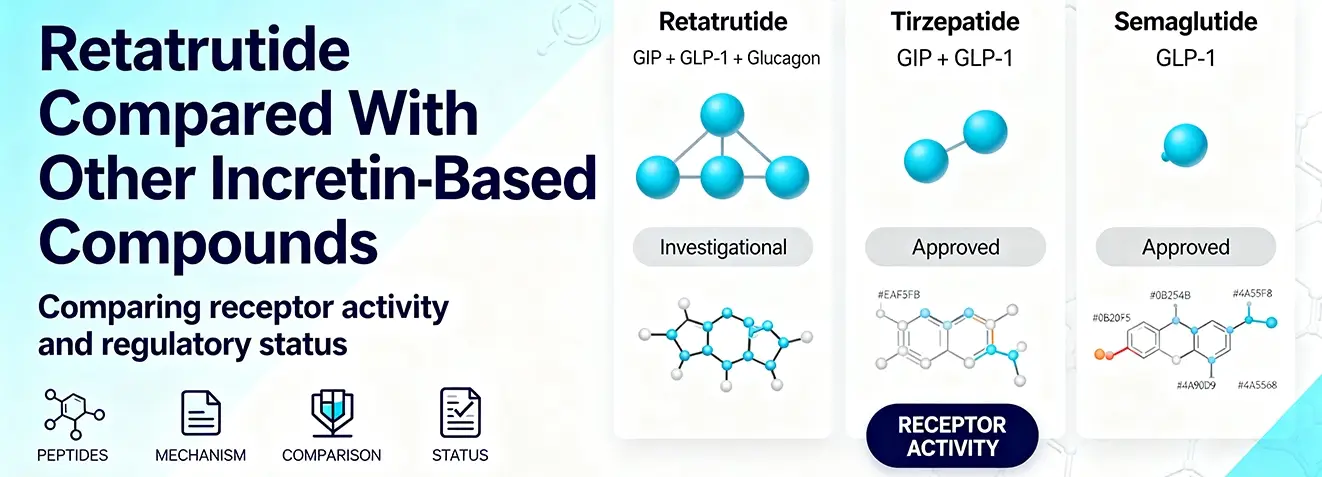
Retatrutide is often compared with semaglutide and tirzepatide peptide.
The most important difference is the receptor mechanism.
| Compound | Receptor activity | General status |
| Retatrutide | GIP, GLP-1 and glucagon | Investigational |
| Tirzepatide | GIP and GLP-1 | Approved for specified indications in multiple markets |
| Semaglutide | GLP-1 | Approved for specified indications in multiple markets |
This table compares mechanisms and general regulatory status. It is not a treatment recommendation or a direct effectiveness ranking.
Reta Peptide Versus Semaglutide
Semaglutide is a GLP-1 receptor agonist.
Retatrutide activates:
- GLP-1 receptors
- GIP receptors
- Glucagon receptors
Therefore, retatrutide is not a stronger form of semaglutide. It is a different molecule with a broader receptor profile.
The two compounds also differ in:
- Regulatory status
- Clinical evidence
- Approved indications
- Product information
- Long-term public-use data
- Manufacturing and delivery products
It is also misleading to compare the highest percentage from one trial directly with a percentage from another trial and conclude that one treatment is definitively better.
Cross-trial comparisons can be affected by:
- Participant characteristics
- Study duration
- Baseline BMI
- Diabetes status
- Statistical method
- Lifestyle intervention
- Discontinuation
- Dose selection
- Missing-data handling
A direct head-to-head trial provides stronger comparative evidence than separate trials.
Reta Peptide Vs Tirzepatide
Tirzepatide is a dual GIP and GLP-1 receptor agonist. Retatrutide includes the same two receptor systems plus glucagon receptor activity.
| Feature | Retatrutide | Tirzepatide |
| GIP receptor | Yes | Yes |
| GLP-1 receptor | Yes | Yes |
| Glucagon receptor | Yes | No |
| Mechanism | Triple agonist | Dual agonist |
| Regulatory status | Investigational | Approved for specified indications |
| Long-term public-use evidence | Not yet available | Growing post-approval evidence |
The additional glucagon receptor activity is intended to influence energy expenditure and substrate metabolism, but it also contributes to a more complex biological profile.
A registered trial is evaluating retatrutide directly against tirzepatide in adults with obesity, which may provide more reliable comparative evidence than indirect trial comparisons.
Is Reta Peptide the Same as Ozempic?
No. Ozempic is a brand name for a medicine containing semaglutide. Retatrutide is a separate investigational compound.
The two share GLP-1 receptor activity, but retatrutide also activates GIP and glucagon receptors.
Ozempic and retatrutide differ in:
- Active compound
- Receptor activity
- Regulatory approval
- Approved use
- Clinical development
- Commercial availability
Products marketed as “generic Reta,” “Reta Ozempic” or “triple Ozempic” should not be considered accurate scientific descriptions.
Reta Peptide Dosage in Clinical Research
Retatrutide has been studied at different doses and escalation schedules.
Published Phase 2 obesity research examined weekly maintenance doses including:
- 1 mg
- 4 mg
- 8 mg
- 12 mg
Phase 3 TRIUMPH-1 evaluated weekly maintenance doses of:
- 4 mg
- 9 mg
- 12 mg
These numbers describe clinical-trial groups. They are not personal dosage instructions.
Trial schedules involved:
- Participant screening
- Controlled dose escalation
- Medical monitoring
- Adverse-event assessment
- Protocol-defined dose changes
- Manufactured clinical-trial material
The results cannot safely be converted into:
- Syringe units
- Reconstitution formulas
- Self-selected cycles
- Personal injection schedules
- Dose recommendations
Unofficial powders may not contain the stated amount of retatrutide, making calculations based on the label unreliable.
How Is Reta Peptide Administered in Trials?
In clinical trials, retatrutide has been administered as a once-weekly subcutaneous injection.
Subcutaneous means the study material is delivered into the fatty tissue beneath the skin.
This general description should not be treated as an injection tutorial.
Safe administration of an approved injectable medicine normally requires:
- A verified product
- Approved instructions
- Correct storage
- Sterile equipment
- Dose accuracy
- Appropriate injection technique
- Medical assessment
- Monitoring for adverse effects
None of these can be guaranteed for an unapproved vial purchased through an unofficial source.
How Is Research Peptide Quality Evaluated?
Quality evaluation requires more than reading a percentage printed on a product page.
Researchers may use several analytical methods to examine a peptide.
Identity Testing
Identity testing attempts to confirm whether the material matches the claimed molecular structure.
A product may show high purity for the substance present while containing the wrong substance. Identity and purity are therefore different questions.
High-Performance Liquid Chromatography
High-performance liquid chromatography, or HPLC, can separate components within a sample.
It may be used to estimate:
- Main peptide content
- Related impurities
- Degradation products
- Relative purity
An HPLC purity percentage does not independently prove:
- Correct molecular identity
- Sterility
- Correct vial quantity
- Absence of endotoxins
- Suitability for administration
- Clinical effectiveness
Mass Spectrometry
Mass spectrometry can measure molecular mass and help confirm whether the main compound is consistent with the expected peptide.
Interpretation depends on:
- Instrument quality
- Method
- Sample preparation
- Calibration
- Analyst competence
- Report authenticity
Peptide Content and Quantity
Chemical purity and total peptide quantity are not identical.
A vial can contain a chemically pure peptide but less material than its label claims.
Quantitative testing is needed to confirm the actual amount.
Certificate of Analysis
A Certificate of Analysis for Peptides (COA) should ideally include:
- Product name
- Batch or lot number
- Sample identifier
- Test method
- Testing date
- Result
- Specification
- Laboratory identity
- Reviewer or authorisation
- Traceability to the tested batch
A generic certificate reused across multiple batches provides limited batch-specific assurance.
Purity Is Not Sterility
This is one of the most important distinctions when evaluating injectable products.
Purity testing examines chemical composition.
Sterility testing examines whether viable microorganisms are present.
A product described as 99% pure may still contain:
- Bacteria
- Fungi
- Endotoxins
- Particulate matter
- Environmental contaminants
Chemical purity alone does not establish suitability for injection.
Storage and Stability
Peptides can be affected by:
- Temperature
- Moisture
- Light
- Oxidation
- Repeated temperature changes
- Container interactions
- Time after preparation
A compound that was correctly manufactured may degrade if transported or stored incorrectly.
Quality evaluation must therefore consider the full chain from manufacturing to testing, packaging, transport and storage.
Common Myths About Reta Peptide
Myth: Reta and Retatrutide Are Different Peptides
Fact: Reta is generally an informal abbreviation for retatrutide.
Myth: Retatrutide Is an Approved Weight-Loss Medicine
Fact: Retatrutide remains investigational and has not been approved by any regulatory agency for public therapeutic use.
Myth: Phase 3 Completion Means the Product Can Be Sold Publicly
Fact: Phase 3 results must still be submitted, reviewed and accepted by regulators.
Myth: Reta Peptide Is the Same as Ozempic
Fact: Ozempic contains semaglutide. Retatrutide is a different molecule with triple-receptor activity.
Myth: Retatrutide Is Scientifically Called GLP-3
Fact: There is no GLP-3 receptor involved. Retatrutide activates GIP, GLP-1 and glucagon receptors.
Myth: Everyone in Trials Lost 28% of Their Weight
Fact: The 28.3% TRIUMPH-1 figure was an average for a specified group under an efficacy analysis. Individual outcomes varied.
Myth: A Research-Use-Only Label Confirms Quality
Fact: The phrase does not independently confirm identity, purity, sterility, concentration or legal compliance.
Myth: A Certificate of Analysis Proves a Product Is Safe
Fact: A certificate may provide analytical data, but it does not replace regulatory evaluation, clinical evidence or all required quality tests.
Myth: Higher Purity Means the Product Is Sterile
Fact: Purity and sterility are separate characteristics requiring different tests.
Myth: Online Retatrutide Is the Same as Clinical-Trial Retatrutide
Fact: Without verified manufacturing and supply-chain controls, there is no reliable basis for assuming equivalence.
What Could Happen Next for Retatrutide?
Several steps remain before retatrutide could become an approved medicine.
Completion of Additional Trials
Although several Phase 3 studies have been completed, additional research continues in:
- Obesity with type 2 diabetes
- Cardiovascular disease
- Chronic kidney disease
- Metabolic liver disease
- Chronic lower back pain
- Long-term weight maintenance
- Dose-escalation strategies
Peer-Reviewed Publication
Detailed peer-reviewed publications allow independent experts to assess:
- Trial methods
- Participant characteristics
- Statistical analyses
- Missing data
- Subgroup findings
- Adverse events
- Limitations
Top-line company announcements provide useful information, but full publications generally offer more detail.
Regulatory Submission
The developer must submit a regulatory application to authorities such as:
- The FDA in the United States
- The TGA in Australia
- The European Medicines Agency
- Other national regulators
Submission timing and approval timing are not the same.
Regulatory Review
Regulators evaluate whether the evidence supports a favourable benefit–risk profile for a defined indication.
They may request:
- Additional analyses
- Manufacturing information
- New studies
- Revised warnings
- Risk-management measures
- Post-approval commitments
Final Product Information
If approved, the regulator and manufacturer would establish official information covering:
- Indications
- Eligible patients
- Dosing
- Dose escalation
- Contraindications
- Warnings
- Adverse effects
- Storage
- Administration
- Monitoring
Until that occurs, online dosing assumptions remain unofficial and potentially unsafe.
Post-Approval Monitoring
Some rare effects become visible only after a medicine is used by much larger populations.
Post-marketing surveillance may involve:
- Adverse-event reports
- Safety studies
- Registry data
- Electronic health records
- Additional outcome trials
- Label updates
Frequently Asked Questions About Reta Peptide
What does the peptide Reta do?
Reta, or retatrutide, activates the GIP, GLP-1 and glucagon receptors involved in appetite, glucose regulation and energy metabolism. It is still an investigational peptide.
What are the side effects of Reta peptide?
Clinical trials have mainly reported nausea, diarrhoea, vomiting and constipation. Altered skin sensations and temporary increases in heart rate have also been observed.
Is retatrutide available in Australia?
Yes. Retatrutide is available online through our website (http://australiapeptidesciences.com/) for laboratory research purposes only. It is not approved or intended for human use or consumption.
Is Reta worth it?
For research purposes, its value depends on factors such as peptide identity, purity, batch testing, documentation and proper storage.
How do I get Reta?
You can order Reta peptide online from our website for legitimate laboratory research purposes only. It is not intended for human use.
Sources: