What do peptides do for aging skin? The answer depends on the specific peptide, its formulation and how it is studied. Some peptides act as biological signalling molecules, while others serve structural, carrier or enzyme-inhibiting roles.
In skin research, selected peptides are investigated for their possible interaction with collagen-related pathways, extracellular matrix activity, pigmentation and cellular responses to environmental stress. However, evidence from one peptide cannot be generalised to every peptide product or research compound.
Shop Peptides in Australia for Research Purposes
Understanding Skin Aging: It Starts With Oxidative Stress
Skin ageing is often associated with wrinkles and fine lines, but these visible changes develop through a combination of biological ageing and external stressors. They form part of the broader process of cellular ageing.
What Is Oxidative Stress?
Oxidative stress occurs when the body produces more free radicals than it can neutralize. These unstable molecules damage cells, proteins, and DNA.
When it comes to oxidative stress and skin aging, the effects include:
- Breakdown of collagen and elastin
- Reduced skin elasticity
- Increased wrinkles and fine lines
- Uneven skin tone and dullness
Skin aging is not just about time, it’s about how your body manages cellular damage.
The Link between Oxidative Stress and Skin Aging
Your skin is constantly exposed to external and internal stressors that accelerate aging:
- UV exposure
- Pollution
- Poor diet
- Lack of sleep
- Chronic stress
These factors can increase oxidative damage and gradually weaken the skin’s structure. To understand this biological process more clearly, explore what oxidative stress is and how it affects cellular components.
This is why modern research focuses on protecting cells and supporting biological resilience, rather than only addressing surface-level symptoms.
For a broader explanation of the biological and environmental factors involved, see our guide to what causes skin aging.
Anti-Ageing Peptides: Why They Are Gaining Attention
The growing interest in anti-ageing peptides reflects a shift in how scientists approach skin aging.
Instead of focusing only on creams or external treatments, selected peptides are studied for their potential interactions with biological pathways involved in cellular signalling and skin-related processes.
Why peptides are studied in anti-aging research:
- They act as signaling molecules
- They can target specific biological processes
- They are adaptable for different research models
- They support cellular-level understanding
This makes peptides for anti-aging a key area of interest in scientific and laboratory environments.
What Do Peptides Do for Facial Skin?
When exploring what do peptides do for facial skin, it’s important to understand that their role is not purely cosmetic.
In research settings, peptides are studied for their potential to:
- Support skin structure through signaling pathways
- Interact with collagen-related processes
- Assist in cellular repair and regeneration
- Influence the body’s response to oxidative stress
Unlike many topical ingredients, peptides are explored in terms of how they affect the skin’s internal behavior, not just its surface appearance.
Are Peptides Good for Anti Aging?
Are peptides good for anti-aging?
From a scientific perspective, peptides are considered promising because they focus on how the body regulates aging at a biological level.
Why peptides are relevant:
- They influence communication between cells
- They are studied for targeted biological effects
- They align with modern approaches to longevity science
However, it’s important to keep expectations realistic. Peptides are part of ongoing research, and their role is still being explored across different models and applications.
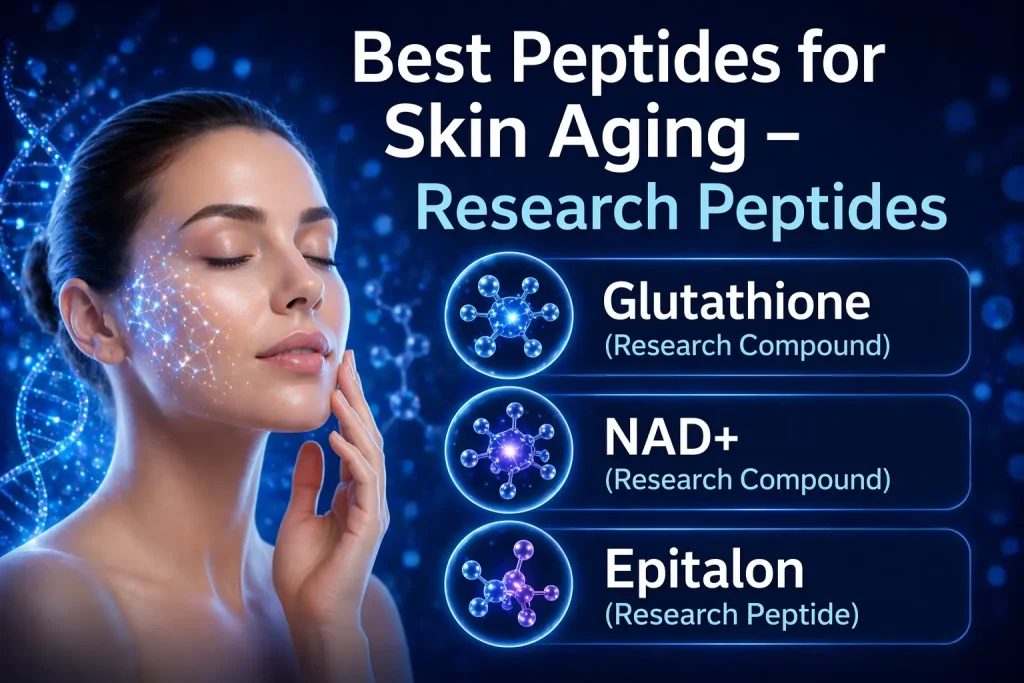
Best Peptides for Skin Aging – Research Peptides
When discussing the best peptides for skin aging, it’s important to clarify that these compounds are studied in research environments and not intended for direct consumer use.
1. Glutathione (Research Compound)
Glutathione is widely studied as a powerful antioxidant. It plays a role in helping the body manage oxidative stress, making it highly relevant in skin aging research.
2. NAD+ (Research Compound)
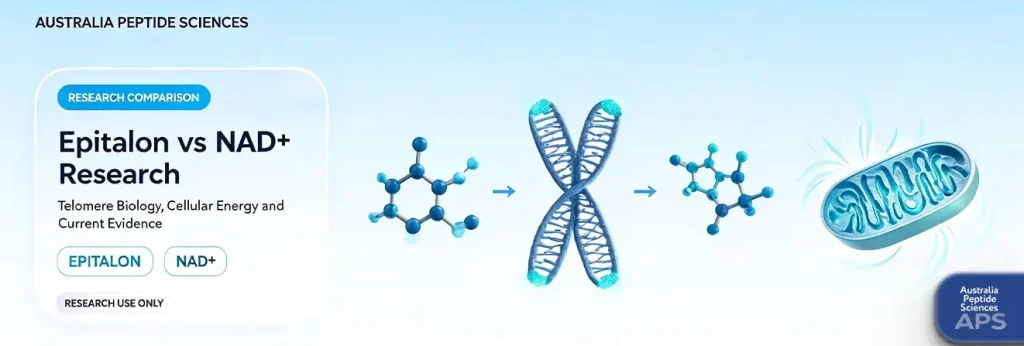
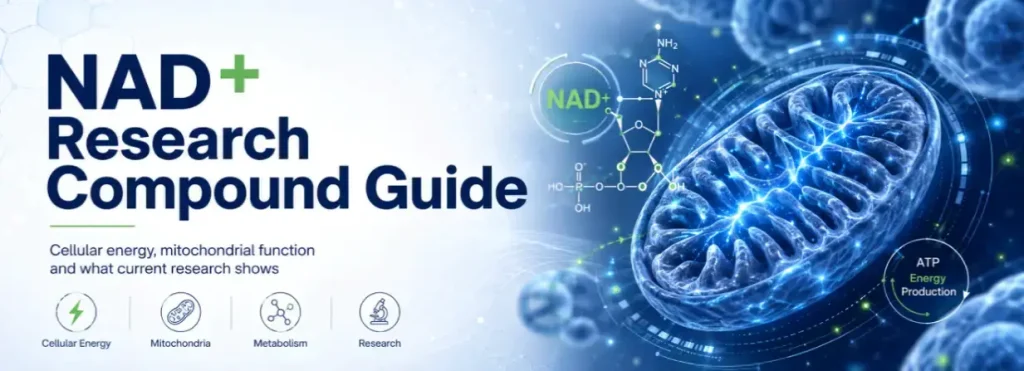
NAD+ peptide is associated with cellular energy production and repair processes. It is often explored in studies related to aging, longevity, and skin vitality.
3. Epitalon (Research Peptide)
Epitalon is studied in research models related to cellular aging and biological regulation, particularly in the context of long-term health and aging processes.
Peptides vs Retinol: Which Is Better for Aging Skin?
One of the most common comparisons is:
which is better for aging skin retinol or peptides?
Retinol
- Works on the skin surface
- Encourages cell turnover
- Can cause irritation in some cases
Peptides
- Studied for deeper biological pathways
- Focus on signaling and repair mechanisms
- Part of internal research rather than topical application
Retinol addresses surface-level renewal, while peptides are explored for deeper biological interactions.
Both approaches serve different purposes and are not direct alternatives.
The Role of Research Peptides in Australia
Interest in research peptides Australia continues to grow as more laboratories and researchers explore advanced compounds.
These peptides are used for:
- Scientific research
- Laboratory testing
- Educational exploration
They help researchers better understand how biological systems respond to aging and environmental stress.
Note: All compounds mentioned, including: Glutathione, NAD+, and Epitalon are supplied strictly for: laboratory research, scientific investigation, and educational purposes.They are not intended for human consumption, cosmetic use, or therapeutic application.
A Smarter Approach to Skin Aging
Modern skin science is shifting from quick fixes to long-term strategies focused on:
- Cellular health
- Oxidative stress management
- Biological resilience
- Internal skin function
This approach recognises that healthy skin is not just about appearance—it’s about how the body supports and maintains skin over time.
Explore Anti-Aging Research Peptides in Australia
At Australia Peptide Sciences, we provide high-purity research peptides designed for scientific exploration in skin, hair, and aging-related pathways.
Our product range includes:
- Glutathione
- NAD+
- Epitalon
Each product is manufactured under strict laboratory standards to ensure:
- High purity
- Consistency
- Reliability for research applications
Whether you are investigating antioxidant defence, cellular metabolism or biological ageing, each compound should be evaluated according to its individual research context. Researchers examining glutathione can consult our Glutathione Guide for a detailed overview of its biological pathways and laboratory applications.
Shop Research Peptides in Australia
FAQs
What do peptides do for aging skin?
Peptides are studied for their role in supporting cellular communication, collagen-related pathways, and skin repair processes.
Are peptides good for anti-aging?
Peptides are considered promising in research due to their ability to interact with biological pathways linked to aging.
What do peptides do for facial skin?
Peptides may influence biological processes related to skin structure, repair, and response to oxidative stress.
Which is better for aging skin retinol or peptides?
Retinol works on surface-level skin renewal, while peptides are studied for deeper biological pathways.
What are the best peptides for skin aging?
Common research focuses on compounds like Glutathione, NAD+, and Epitalon in aging and skin vitality studies.
Sources:
https://pmc.ncbi.nlm.nih.gov/articles/PMC11762834/
https://www.aad.org/public/everyday-care/skin-care-secrets/anti-aging/retinoid-retinol