
Evaluating BPC-157 materials for laboratory research requires careful assessment of supplier documentation, analytical testing and applicable Australian regulations. Product listings and purity claims alone do not establish the identity, quality or lawful supply of a research material.
This guide examines the documentation used to assess BPC-157 research materials, including Certificates of Analysis, batch traceability, laboratory testing and the regulatory considerations relevant to sourcing in Australia.
Where Can You Buy BPC-157 Peptide for Research?
In Australia, sourcing BPC-157 requires consideration of the applicable scheduling, possession and supply requirements. Once the necessary legal and institutional requirements have been established, laboratory researchers can evaluate supplier documentation and analytical evidence.
Key documentation to review includes:
| Factor | What to Look For |
| Product documentation | Clear specifications and research information |
| Certificate of Analysis | Batch-specific testing records |
| Purity testing | HPLC or other analytical verification |
| Supplier transparency | Accessible information about quality standards |
| Product format | Clearly identified peptide type and storage details |
| Customer support | Ability to answer product-related questions |
Supplier documentation should identify the material and provide sufficient analytical information to assess its suitability for the intended laboratory investigation.
What Is BPC-157 Peptide?
BPC-157 is a synthetic peptide composed of 15 amino acid residues. It has been investigated in preclinical models involving gastrointestinal biology, cellular signalling and tissue responses. These experimental findings do not establish an approved therapeutic use.
Preclinical research has examined BPC-157 in areas including:
• Cellular signalling pathways
• Tissue biology
• Inflammatory mechanisms
• Gastrointestinal research models
• Regenerative biology
It is important to understand that scientific interest does not automatically mean a compound has approved medical applications. Investigation, clinical evaluation, and regulatory approval are separate processes.
Evaluating the material used in these studies requires reliable information about compound identity, analytical purity and experimental conditions.
Evaluating BPC-157 Research Suppliers in Australia
Researchers evaluating BPC-157 materials need to distinguish between supplier claims and verifiable analytical documentation. Relevant information includes material identity, batch traceability, testing methods and applicable regulatory requirements.
Important questions when evaluating research-material documentation include:
- Is the exact compound identity documented?
- Are the analytical methods and results available for review?
- Can the test results be matched to the stated batch?
- Are material specifications appropriate for the proposed study?
- Have the applicable sourcing and regulatory requirements been checked?
Supplier claims should be assessed against the available batch-specific records rather than accepted as evidence of product quality or regulatory compliance.

What to Check in a BPC-157 Certificate of Analysis (COA)
A Certificate of Analysis provides information about the tests reported for a particular batch. Its value depends on the methods used, the results provided and whether the document can be matched to the material being evaluated.
Key Information in a BPC-157 Certificate of Analysis
A BPC-157 Certificate of Analysis (COA) is an important quality document that provides analytical information about a specific product batch.
A COA may include:
| Information | Purpose |
| Product name | Identifies the material described in the report |
| Batch number | Provides traceability |
| Testing date | Shows when the analysis was performed |
| Purity results | Reports the measured result under the stated method |
| Testing method | Explains the verification process |
| Laboratory details | Identifies the laboratory responsible for the reported analysis |
Batch-specific documentation helps researchers evaluate the reported analytical findings and trace them to the relevant material. A COA alone does not establish sterility, biological safety or regulatory approval.
BPC-157 Purity, HPLC Testing, and Laboratory Verification
High-performance liquid chromatography (HPLC) is used to assess peptide purity by separating and measuring components under defined analytical conditions. Mass spectrometry can provide complementary information about molecular mass and identity.
Visual appearance cannot establish peptide purity or identity. Analytical results must be interpreted alongside the testing method, reference standards and relevant material specifications.
When evaluating a supplier, buyers should look for:
| What to Check | Why It Matters |
| Available purity data | Reports purity findings using a stated analytical method |
| Testing documentation | Identifies the laboratory, methods and reported results |
| Clear analytical methods | Distinguishes verified results from vague purity claims |
| Product traceability | Ties the sample to a specific batch number |
Access to analytical reports allows researchers to assess the evidence supporting the stated specifications and identify any gaps requiring further verification.
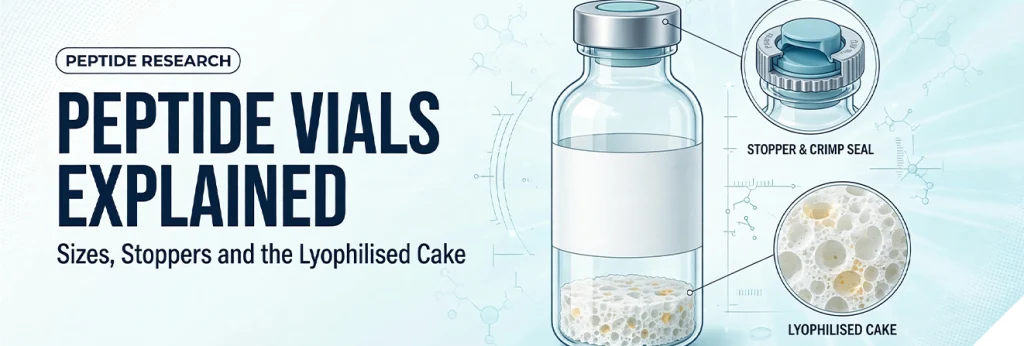
BPC-157 Lyophilised Peptide: Why Is This Format Common?
The BPC-157 lyophilised peptide is supplied as a freeze-dried powder for laboratory research. This format can help limit certain degradation processes, although stability depends on peptide composition, packaging and storage conditions.
Lyophilised materials require compound-specific stability data; freeze-drying does not guarantee long-term stability under all conditions.
Key Characteristics of Lyophilised Peptides
| Feature | Description |
| Freeze-dried format | Helps preserve peptide stability |
| Vial packaging | Supports controlled storage |
| Batch identification | Allows product tracking |
| Documentation | Supports quality evaluation |
When purchasing a lyophilised peptide, researchers should review:
| Check Point | Why It Matters |
| Storage requirements | Helps maintain peptide stability and product integrity |
| Product specifications | Provides details about the peptide format and characteristics |
| Batch information | Allows traceability and quality verification |
| Available testing documentation | Provides analytical information about product quality |

Supplier Documentation and Laboratory Records
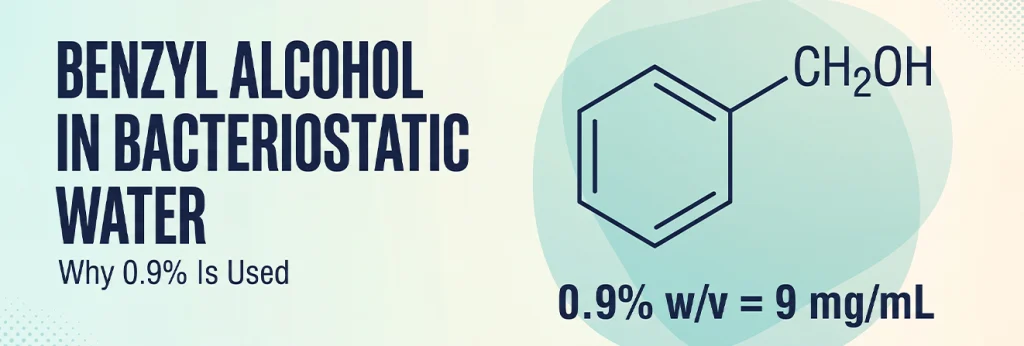
Supplier documentation and laboratory records serve different purposes. Analytical reports describe the tested material, while laboratory records document its handling and use in a specific experiment. Supporting materials such as bacteriostatic water must be assessed separately for compatibility with the relevant compound and validated research protocol.
| Information | Purpose |
| Product batch number | Ensures traceability |
| Preparation date | Tracks sample history |
| Storage conditions | Helps maintain stability |
| Laboratory notes | Supports research documentation |
Researchers should also consider:
| Research Consideration | Importance |
| Recording preparation details | Helps maintain accurate research records |
| Following supplier storage instructions | Supports product stability and integrity |
Accurate records help researchers trace experimental materials and identify factors that may affect the interpretation of laboratory results.
The same documentation principles apply to other research materials, including TB-500 Peptide for Australia. Each compound should be evaluated using its own batch-specific analytical records and laboratory specifications.
BPC-157 Research Peptide Reviews: How to Evaluate Supplier Feedback
Supplier reviews may provide information about communication, packaging and documentation availability, but they cannot establish the identity, purity or suitability of a research peptide.
Customer feedback may provide information about communication, shipping, packaging, access to documentation and customer support.
However, reviews alone cannot confirm peptide quality.
What Does BPC-157 Research Examine?
BPC-157 has been investigated in preclinical models involving gastrointestinal biology, vascular signalling, inflammatory responses and tissue-related processes. These findings remain experimental and cannot establish therapeutic efficacy in humans. A detailed review of the evidence is available in the BPC-157 Peptide Research Guide.
Choosing Where to Buy BPC-157 Peptide
Evaluating sources of BPC-157 for laboratory research requires attention to both analytical documentation and applicable Australian regulatory requirements.
Batch-specific analytical reports can support the assessment of material identity and purity when the reported methods and results are suitable for the intended investigation.
Researchers should confirm that material sourcing and handling comply with relevant legal and institutional requirements. Analytical documentation does not independently establish regulatory approval or suitability for human use.
Explore BPC-157 for laboratory research → View specifications, pricing and Certificates of Analysis.
FAQs About BPC-157 Peptide Where to Buy
Where can I buy BPC-157 peptide for research?
BPC-157 is subject to regulatory controls in Australia. Researchers must establish the applicable legal and institutional requirements before sourcing it. Supplier documentation and batch-specific testing results should also be reviewed, but they do not establish lawful supply on their own.
What is BPC-157 peptide for research?
BPC-157 is a synthetic 15-amino-acid peptide investigated in laboratory and preclinical research models.
What is a BPC-157 Certificate of Analysis (COA)?
A batch-specific document showing product identification, purity results, testing methods, and laboratory information.
Why is BPC-157 purity HPLC testing important?
HPLC can provide information about peptide purity under defined analytical conditions. Its findings should be interpreted alongside other identity and quality data.
What should I look for in a BPC-157 research chemical supplier?
Product documentation, testing information, clear specifications, and quality assurance details.
How do I compare BPC-157 suppliers?
Compare documentation quality, laboratory testing, product transparency, and customer support.
Why is a Certificate of Analysis important when buying BPC-157?
A COA reports analytical findings for a stated batch and helps researchers assess whether those findings meet their experimental requirements.